

Resolving disputes with professionalism and proportionality

As the premier forum for dispute resolution in New Zealand, NZDRC offers a wide-ranging suite of services, including arbitration, mediation, adjudication, expert determination, and more, designed to cater to various dispute types and committed to delivering fair, efficient, and cost-effective solutions for all parties involved.

Our expertise

Explore our comprehensive expertise in resolving a wide range of disputes including commercial, construction, employment, family, insurance, intellectual property, technology disputes, and more.

Engage with us

For fair, efficient, and cost-effective dispute resolution, reach out to our dedicated Registry team today.

Types of disputes NZDRC resolves

At NZDRC, we handle a wide variety of disputes, demonstrating our versatility and expertise across a broad range of subject matters. Regardless of the complexity or the scale of the dispute, our team is well-equipped to provide effective resolution services.

Property Disputes

To gain a comprehensive understanding about resolving property-related disputes, such as those related to rent reviews and cross-leases, we invite you to visit our Property Disputes page. This page provides an insight into the effective solutions we offer to resolve such disputes.

Employment Disputes

Employment disputes require a sensitive and confidential approach. Our services offer a swift and custom solution, ensuring that both employers and employees feel heard and respected throughout the resolution process.

IT Disputes

IT disputes, arising from rapid technology implementations and project misalignment, can disrupt business. NZDRC effectively manages these disputes, ensuring your business's success.

Process options

We offer a range of dispute resolution process options giving you the choice to adopt a process that best meets the needs of your case.

Arbitration

Arbitration is a formal process where disputes are submitted to an independent arbitrator. It's based on an agreement between the parties, governed by the Arbitration Act 1996. The arbitrator's decision, or award, is binding and enforceable as a court judgment.

Mediation

Mediation is a confidential process where a neutral mediator helps parties resolve disputes and reach a mutually acceptable, legally binding agreement. It's particularly beneficial in preserving ongoing relationships.

Arb-Med

Arb-Med blends arbitration and mediation, offering benefits like speed, flexibility, confidentiality, and enforceability. It aims for good faith negotiation, using the Arbitral Tribunal's powers in a formal process that resumes if mediation fails.

Adjudication

Adjudication is a cost-effective, robust dispute resolution process, resulting in a decision from an independent adjudicator typically within 35 working days. It aims to improve cash flow and provide quick, affordable justice, reducing pressure on the Courts.

Expert Determination

Expert Determination is a relatively informal, confidential dispute resolution method. An expert makes a decision that can be binding or non-binding. It's less formal and more relationship-preserving than arbitration or litigation.

Early Neutral Evaluation

Early Neutral Evaluation is a confidential method for early dispute resolution, offering a non-binding assessment of a case's facts and merits. It promotes early settlement discussions and helps avoid lengthy, expensive litigation.

Conflict Management

Conflict Management services include performance audits, conflict coaching, the design and execution of conflict management systems, and strategies for dispute prevention and effective management among employees, clients, suppliers, subcontractors, and other stakeholders.

Recognised and respected as the leading independent dispute resolution provider for over 30 years

Key Statistics

At NZDRC, we handle a wide variety of disputes, demonstrating our versatility and expertise across a broad range of subject matters. Regardless of the complexity or the scale of the dispute, our team is well-equipped to provide effective resolution services.

0 +

Years in business

4000 +

Number of cases administered by our registries in the last year

1

Average working days it takes for the appointment of a practitioner

0

Number of working days for our fastest Arbitration process from start to end

0 +

Professional dispute resolution practitioners working with us across The ADR Centre

0

Average number of days to complete an Adjudication

Latest news and articles

For the latest updates, news, and articles about dispute resolution and our services, please visit our Knowledge Hub. We regularly update this section with insightful and informative content that can help you better understand the dispute resolution landscape.

General

.nz Dispute Resolution Scheme – Annual Report release 

Speed as a baseline In today’s online digital environment, .nz domain names are valuable, active, commercial assets.   When disputes arise, resolution needs to move at the pace of commerce — not the pace of traditional legal processes. Businesses need certainty quickly.  This report highlights
Read More »
Expert Determination

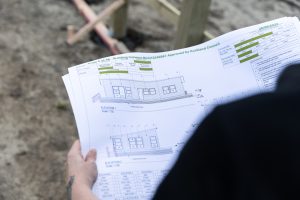
When consent to cross‑lease changes can be “reasonably” withheld  

The Court of Appeal has clarified the law on when consent to cross-lease alterations can be withheld – and the decision represents a meaningful shift from how the issue has long been approached in practice.


Cross‑leases are a common form of residential tenure in New Zealand. In most arrangements, structural alterations require the consent of all lessors (the owners of all cross-lease flats on the land). However, that consent cannot be “unreasonably withheld”.


For decades, the case of Smallfield v Brown was widely understood to mean that withholding consent would only be unreasonable where the proposed alteration delivered a substantial benefit to the applicant and caused only trifling detriment to the neighbour.


In the recent case of Liow v Martelli, the Court held that Smallfield v Brown does not correctly state the law.

Read More »
General

What the 2025 Grocery Supply Code means for suppliers

Big changes to the Grocery Supply Code take effect on 1 May — and if you supply groceries to one of New Zealand’s regulated retailers, it’s worth knowing what’s new.

The 2025 Code has been designed with suppliers in mind. It strengthens existing protections in several important areas and adds new ones. Here’s a plain-language breakdown.

Read More »

Note: Please note that the information contained in this article is intended to provide a general guide to the subject matter and is not intended as legal advice. Specialist advice should be sought about your specific circumstances. The content may not reflect current legal developments and is subject to revision without notice.