
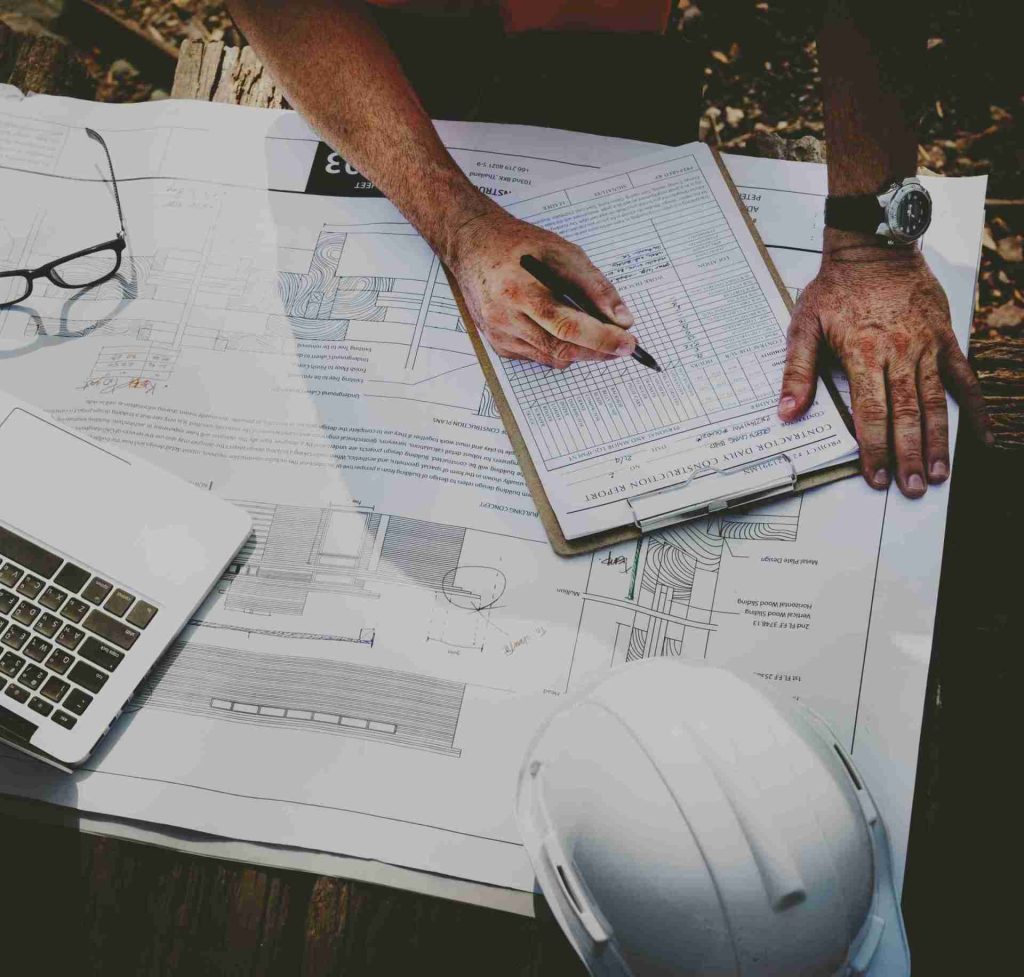
Building and construction disputes
Building and construction disputes can be complex and costly. Our services are designed to help.
Building and construction dispute resolution processes are administered by our Building Disputes Tribunal, New Zealand’s trusted building and construction dispute resolution specialists.
On this page
Overview of services
The Building Disputes Tribunal provides the leading forum for the settlement of a wide range of building and construction disputes.
Process options
With a range of processes available, there will be one to best suit your needs, whatever the nature of the dispute or conflict.
FAQ
Explore our FAQ section for quick insights and find solutions to common questions
Overview of services
The Building Disputes Tribunal provides a range of services for managing construction and infrastructure disputes, catering to both commercial and residential sectors. These services encompass statutory adjudication under the Construction Contracts Act 2002, arbitration, expert determination, mediation and more. The Tribunal’s primary objective is to deliver efficient and well-considered outcomes for parties involved in the building and construction industry.
Only the most seasoned and highly regarded professionals in building and construction dispute resolution, including arbitrators, adjudicators, mediators, and experts, are engaged by the Tribunal.
Leveraging its vast knowledge and experience in designing and implementing dispute resolution processes, the Tribunal has gained a comprehensive understanding of the community’s needs. This understanding allows it to consistently provide sound, commercially relevant advice on dispute resolution procedures and options. Additionally, the Tribunal is committed to offering innovative and effective dispute resolution services.
Explore more at buildingdisputestribunal.co.nz
Process options
The Building Disputes Tribunal offers a range of services to handle various building and construction disputes. The most common services include statutory adjudication under the Construction Contracts Act 2002, arbitration, arb-med, mediation, expert determination, early neutral evaluation, and dispute review boards.
Adjudication is a fast track statutory dispute resolution process under the Construction Contracts Act 2002 with the primary goal of improving cash flow. It’s popular due to its speed and cost-effectiveness. In adjudication, an adjudicator, who is an independent and impartial person, resolves the disputes according to New Zealand law and is generally quicker and less expensive than court litigation or arbitration.
Arbitration is another formal dispute resolution process where parties agree to submit their disputes to an independent arbitrator. The process is governed by the Arbitration Act 1996 and its amendments, with the arbitrator’s decision being binding and enforceable as a court judgment. The Building Disputes Tribunal provides fully administered arbitration processes either under its arbitration rules or on an ad hoc basis. Arb-Med is a hybrid process combining arbitration and mediation, aiming for the informed good faith negotiation and settlement of the dispute by the parties. If mediation following arbitration is not successful, the formal arbitration process resumes.
Other options include mediation, expert determination, early neutral evaluation and dispute review boards.

Mediation is a negotiation process where a mediator assists parties to define disputed issues, develop and explore settlement options, and negotiate a mutually acceptable settlement. Generally, any agreement reached will be binding. Expert determination is another relatively informal process where disputed matters are referred to an independent expert for a decision. This process can provide either a binding or non-binding determination.
Early neutral evaluation blends the advantages of a judicial settlement conference, mediation, and independent expert determination of the dispute and allows the parties to effectively choose their own ‘judge’. The evaluation issued as a result of the process is not binding on the parties (unless they agree otherwise). Rather, the evaluation provides the parties with an independent assessment or evaluation of the issue that has arisen between them. Lastly, dispute review boards (DRBs) are typically set up at the onset of a contract and assist parties in resolving disagreements arising during the contract’s course.
FAQ
Find quick insights and helpful information on a variety of topics related to building and construction disputes
Why choose the Building Disputes Tribunal?
With over 30 years’ experience in the avoidance, management, and resolution of building and construction disputes, the Building Disputes Tribunal is recognised and respected as the leading independent, nationwide provider of specialist dispute resolution services to the building and construction industry. The Building Disputes Tribunal is also an Authorised Nominating Authority for the purpose of nominating adjudicators under the Construction Contracts Act.
Do I need a lawyer to help me prepare my case?
No. You are not required to have a lawyer act for you in relation to any process delivered by the Building Disputes Tribunal. However, if you have any questions or concerns about your legal rights and obligations, you should always take independent legal advice.
How do I know which dispute resolution process is right for my construction dispute?
The right process for you depends on various factors such as the nature of the dispute, the amount of money involved, the time you have available, and the relationship between the parties. For quick and cost-effective resolution, adjudication might be suitable. For more complex matters, arbitration might be the right choice, although adjudication is also routinely used for high-value and complex cases.
I have a minor dispute, but I want to maintain a good relationship with the other party. What should I do?
In such cases, mediation could be a good option. It’s a negotiation process where a mediator assists the parties in reaching a mutually acceptable settlement. The focus is on finding a solution that all parties can agree with, which can help preserve relationships.
I'm in the early stages of a long-term contract and want to set up a system for handling any disputes that might arise. What should I consider?
You might want to consider setting up a dispute review board (DRB). DRBs are set up at the onset of a contract and assist parties in resolving disagreements that arise during the contract’s course.
What if the parties can’t agree on the process?
You can always initiate adjudication. Parties to construction contracts cannot contract out of the Construction Contracts Act 2002. Any party to a construction contract has a statutory entitlement to refer a dispute to adjudication at any time that a dispute arises under that contract and does not require any other party’s agreement to refer the dispute to adjudication or as to the selection of the adjudicator to be appointed.
Take the first step towards resolving your building and construction dispute today
Engage with the Building Disputes Tribunal for your construction or infrastructure disputes. Our array of dispute resolution services is designed to fit your specific needs, no matter the size or complexity of your dispute. Our team of professional arbitrators, adjudicators, experts and mediators are equipped to guide you through the process, ensuring a fair and swift resolution. Entrust your disputes to the Building Disputes Tribunal and let us transform your dispute resolution journey into an effective and efficient experience.
Get in touch
Contact our team today to see how we can help