Supreme Court of New South Wales finds force majeure clause offered no protection for loss and damage to goods in transit

In Woolworths Group Ltd v Twentieth Super Pace Nominees Pty Ltd [2021] NSWSC 344, the Supreme Court of New South Wales applied a narrow interpretation to the meaning and effect of a force majeure clause, finding that it did not override other clauses in the contract, or alter the overall allocation of risk intended by the parties.
Author(s): Kate Holland
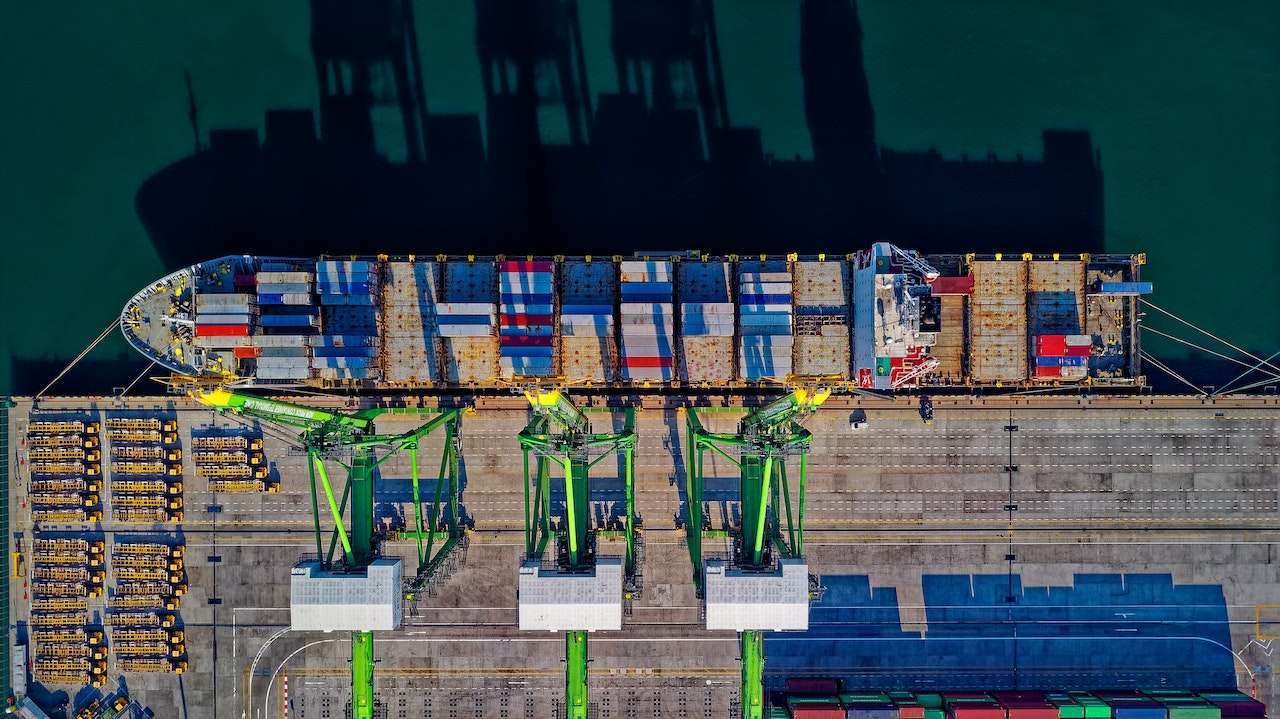
Aerial view of a cargo ship docked at a port. The ship is loaded with multicolored shipping containers. Three large green cranes are positioned alongside the ship, with their shadows cast on the deck and water. The port area has rows of containers.

The facts

The case concerned a contract for the transportation of goods (the Contract) between Woolworths Group Ltd (Woolworths) and Twentieth Super Pace Nominees Pty Ltd (the Carrier). 

In April 2014, the Carrier transported 258 pallets of Woolworths’ goods to Western Australia by train. During transit, the train was derailed by flash floods, resulting in damage to the goods in the amount of $893,399.25. Woolworths sought to recover these losses from the Carrier. The Carrier made an unsuccessful attempt to deny liability for the damage by invoking the Contract’s force majeure clause. 
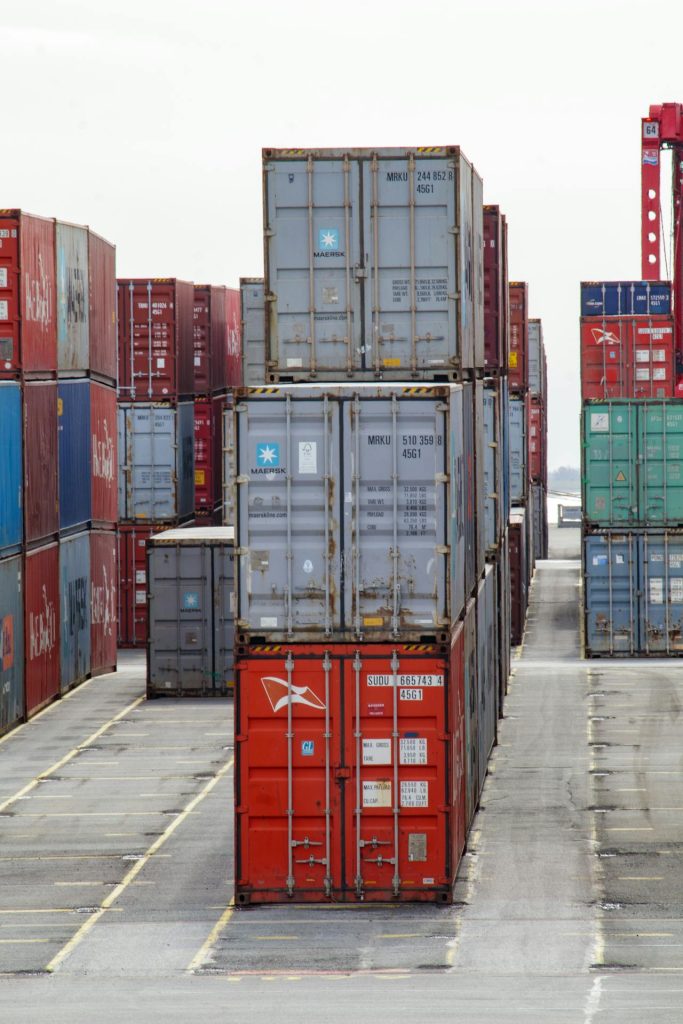
A large stack of colorful shipping containers arranged in rows at a shipping port. The containers are of various colors and marked with different company logos and identification numbers. The concrete ground between the stacks is clear of any vehicles or equipment.

Alternative interpretations of the force majeure clause

The parties disagreed about the correct interpretation of the Contract’s force majeure clause and how it interacted with the rest of the Contract – whether it overrode the clauses concerning allocation of risk and the Carrier’s obligation to indemnify Woolworths for loss or damage during transit. 

The clauses at play included: 

  • risk allocation clause stating that that the Carrier was liable for goods in its possession from collection until delivery; 
  • indemnity clause requiring the Carrier to indemnify Woolworths against all losses arising from or in connection with any loss, theft, destruction or damage to the goods; 
  • insurance clause requiring the Carrier to effect and maintain insurance for the full replacement value of the goods against damage, theft, destruction or loss in transit; and 
  • force majeure clause providing that neither party was liable to the other for any delay or failure to fulfil its obligations under the Contract owing to a force majeure event.

Close-up of diverse hands holding and pointing at a document during a meeting. The document appears to be a resume or report, and laptops are visible on the wooden table. The atmosphere suggests a collaborative work environment.

The Carrier claimed that the force majeure clause operated to exempt the Carrier from indemnifying Woolworths where the loss or damage of the goods was owing to a force majeure event. This, it claimed, was the purpose of the clause, and of force majeure clauses in general. 

Woolworths put forward a different interpretation – it was entitled to be indemnified by the Carrier for any loss and damage to the goods, irrespective of the force majeure clause or whether the loss or damage was caused by a force majeure event. 

The decision

The Court preferred Woolworths’ interpretation. It agreed that the force majeure clause was intentionally worded to have a narrow application – it protected the Carrier only from liability for performance-related issues, such as failure to deliver the goods on time or not at all, where that delay or failure was due to force majeure events beyond the Carrier’s control. 

The force majeure carve-out did not protect the Carrier from liability for loss or damage to the goods. The contractual bargain struck between the parties, evidenced by the clear wording of the risk allocation, indemnity and insurance clauses, was that the Carrier was ‘on risk’ and required to indemnify Woolworths for loss or damage for any damage to the goods during transit – regardless of whether the loss or damage was owing to a force majeure event.
A close-up image of a dark wooden gavel with a brass band, positioned on a matching sound block. Part of the gavel handle is visible. Three black folders or binders are slightly blurred in the background. The setting appears to be a desk or table.

Conclusion

In the current climate of the Covid-19 pandemic, outbreak of war in Ukraine and increasing extreme weather events all over the world, this decision serves as a salutary reminder of the courts’ restrictive approach when it comes to force majeure clauses, and the importance of clear and unambiguous drafting. 
Other resources you might like

If you found this article helpful and are interested in learning more, there is a wealth of other resources available on our website. We have a wide array of articles and guides on a variety of topics, each designed to provide you with a deeper understanding of the subject matter. We encourage you to explore these resources and deepen your knowledge.

A person is highlighting text on a printed contract document with a yellow marker. The document, which discusses the UK Supreme Court's return to an orthodox liquidated damages approach, is placed on a wooden desk next to a keyboard and mouse. Various sections and terms have some text already highlighted.

UK Supreme Court returns to orthodox liquidated damages approach

The UK Supreme Court in its recent judgment in Triple Point Technology v PTT Public Company[1] has brought welcome clarity in relation to the drafting and interpretation of liquidated damages clauses[2] in construction, commercial and technology contracts. The judgment also deals with the relationship between liquidated damages clauses and caps on liability. We summarise the judgment and provide some key points for drafting liquidated damages clauses and related caps on liability.
A woman with curly hair and glasses, dressed in a turquoise top, holds folders against her chest with one hand while resting her other arm on her forehead. She stands in front of a plain off-white wall, appearing tired or stressed.

Unfair terms in consumer contracts – important changes to the Fair Trading Act 1986

A 2018 Ministry of Business, Innovation & Employment (MBIE) survey of small businesses found that 45 per cent of participants considered that they had been offered unfair contract terms in the last year, and 47 per cent considered that they had otherwise been treated unfairly.[1]
A small wooden boat named "Lady Irene" rests on a pebble beach with the sea and a partly cloudy sky in the background. The boat is slightly elevated on wooden supports, and its rich, polished wood contrasts with the light-colored pebbles.

Ten years in a leaky boat: Lucky just to keep afloat

In 1982 Split Enz released its now famous single Six Months in a Leaky Boat being a reference to the time it took pioneers to sail to New Zealand (it had nothing at all to do with being an attack on Britain’s invasion of the Falkland Islands which caused the BBC to discourage airplay of the song in Britain during the Falklands War – it was recorded in January 1982, months before the Falklands invasion). It has also been suggested that the lyrics are a metaphor for a relationship that could not be, the need to put our differences behind us and that there is a world to explore after ’the ship-wreck’, and to keep on trying where there’s wind in our sails. Neil Finn’s lyrics and the sentiment embodied in the song provide a strikingly apposite segue into the relationship property story that follows.

Get in touch

Contact our team today to see how we can help

Contact us

This field is for validation purposes and should be left unchanged.