

Property Disputes
NZDRC has several highly experienced practitioners who are widely acknowledged for their expertise in providing arbitration, mediation, arb-med, adjudication, expert determination, or early neutral evaluation services to resolve property disputes of all kinds.
Whether the dispute concerns a rent review, cross-lease, or other property-related matter, NZDRC has the expertise and experience to deliver you and your clients a professional, credible, and proportionate means of resolving that dispute.
On this page
Overview of services
If you're involved in a property dispute and looking for a fair, prompt, and cost-effective resolution, NZDRC is an excellent choice.
Process options
NZDRC offers a range of dispute resolution methods, each tailored to be fair, prompt, and cost-effective, while offering flexibility according to the nature of the dispute.
Rent review disputes
Rent reviews occur with relative frequency. When they do occur, it is not uncommon for a dispute to arise as to the appropriate level of reviewed rent.
Cross-lease disputes
It is not uncommon for disputes to arise under cross-leases. How these are dealt with will often have a long term impact on the parties involved.
COVID-19 commercial lease disputes
NZDRC offers a special fixed-fee service for disputes between parties to a Commercial Lease agreement impacted by the Government's restrictions to combat COVID-19.
FAQ
Explore our FAQ section for quick insights and to find answers to common questions.

Overview of services
If you’re involved in a property dispute and looking for a fair, prompt, and cost-effective resolution, NZDRC is an excellent choice. NZDRC offers a wide range of dispute resolution services tailored to meet the specific needs of the parties involved. These services are designed to take into account the relative complexity of the issues and aim to provide a proportionate response, ensuring fairness and cost-effectiveness.
Amongst other options, NZDRC provides arbitration, mediation, adjudication, and expert determination services, all administered by seasoned professionals with significant industry-specific experience. The flexibility of processes, coupled with the promptness and cost-efficiency of the methods, make NZDRC a top option for resolving property disputes. Whether your dispute involves specific technical issues or requires a comprehensive understanding of qualitative factors, NZDRC has the expertise and resources to assist you.
Process options
NZDRC offers a range of dispute resolution methods, each tailored to be fair, prompt, and cost-effective, while offering flexibility according to the nature of the dispute.
NZDRC’s arbitration services are designed to be cost-effective and provide parties with the flexibility to craft their own processes. NZDRC offers both ad hoc and institutional arbitration options, with rules designed to ensure fairness, promptness, and cost-effectiveness while providing a proportionate response to the complexity of the issues involved.
Mediation services offered by NZDRC are administered by professionals who bring significant industry-specific experience to the table. This process empowers parties to develop and explore mutually beneficial settlement options with the assistance of an independent mediator.
Contractual adjudication is another process option available. This method, which is prompt and cost-efficient, can lead to a potentially binding and enforceable resolution within 35 working days.

Finally, it is worth considering expert determination, particularly for valuation disputes. It has become popular for its ability to resolve disputes involving specific technical or qualitative issues quickly, inexpensively, and confidentially. It can provide a binding or non-binding determination without many formalities that come with arbitration and litigation.
Rent review disputes
Most commercial leases provide for regular rent reviews. The change in rent can be a fixed percentage or fixed dollar amount based on a market review or movements in the Producers’ Price Index (PPI) or another index. Sometimes, parties agree to a bespoke index by agreeing on ‘caps and collars’—minimum and maximum changes.
Not surprisingly, disputes can arise between the landlord and the tenant regarding the appropriate level of rent. Leases often provide for disputes to be resolved by arbitration—for example, the TLANZ (former ADLS) and other standard form leases.
NZDRC offers a fixed-fee rent review arbitration—see Rent Review Arbitration. This is a fast, high-quality service. The case is decided ‘on the documents’ without a hearing, and an award is issued within 35 working days.
Where the parties wish to have a hearing they can opt for NZDRC’s ECA60 Arbitration Rules. These Rules provide the parties with a credible and cost-effective arbitration process. They can present their submissions and evidence to the arbitrator in a hearing of up to three days, and an award is issued within 60 working days.
Whatever the parties choose, whether they opt to arbitrate under the NZDRC Arbitration Rules or prefer an alternative ad hoc process under the Arbitration Act, NZDRC can be relied on to deliver a professional and credible arbitration service.
Also, the parties can agree to mediate at any stage. Mediation allows parties to agree on an outcome mutually beneficial to all. This can save on dispute costs and help preserve the ongoing relationship. It is a good alternative option to consider. NZDRC can help with this – see Mediation.
If you wish to discuss your options further, please contact our Registry team who will gladly assist you.
Cross-lease disputes
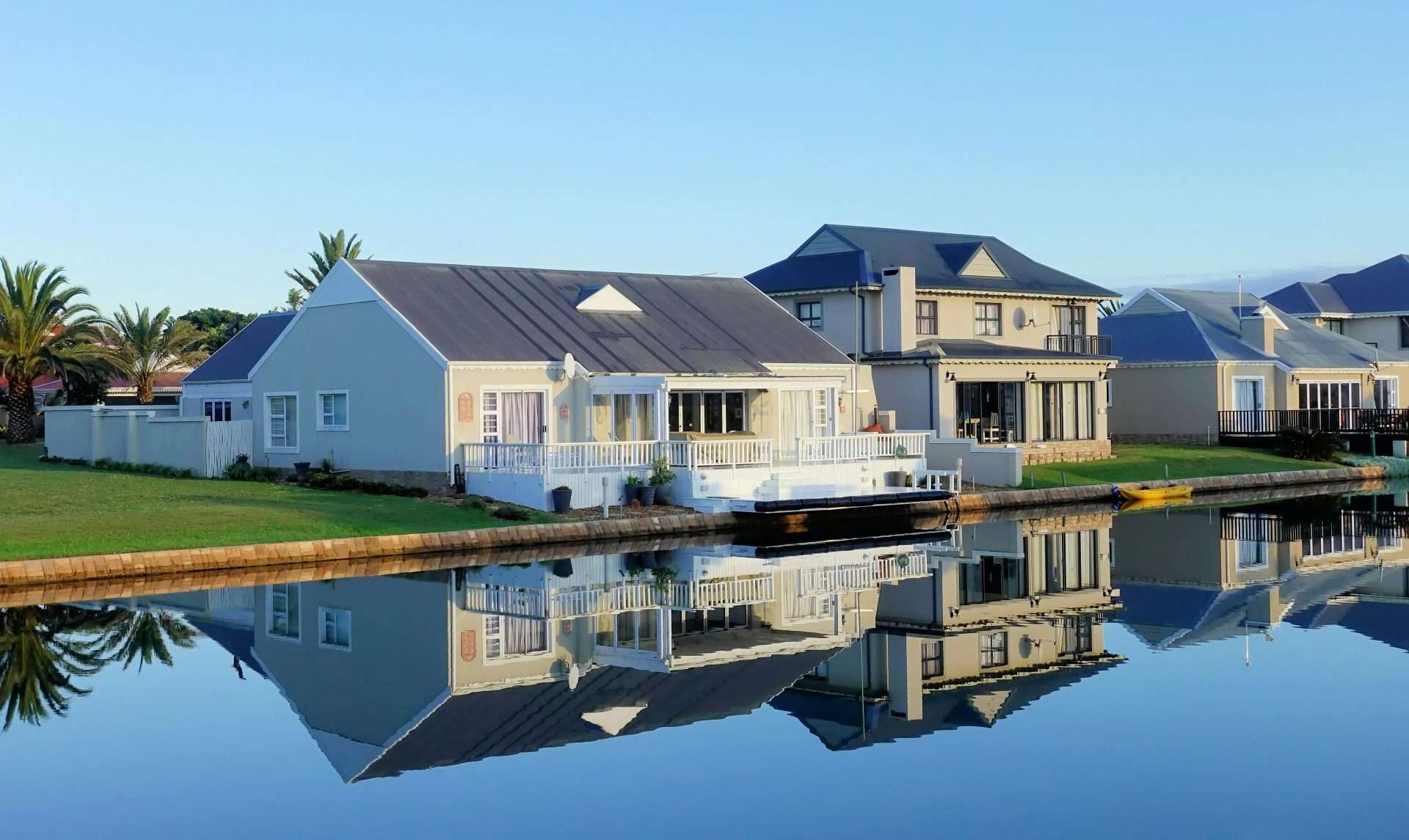
A cross-lease is where a number of people own an undivided share in a piece of land and the homes that they build on the land are leased from the other landowners (normally for a term of 999 years). The houses are usually flats or townhouses. When you are making major structural changes to your property or making changes that could affect the flats plan on the certificate of title, then as well as approaching the local authority, you’ll need the other owners in the cross-lease to provide their written approval. The decision-making process around the common area (access, outdoor amenity areas, etc) must be made in consultation with the other owners, and all must be in agreement.
This can and does often lead to disagreement between the parties to the cross-lease. These disputes are commonly resolved by arbitration, and NZDRC’s ECA45 Arbitration Rules is a popular choice for these types of disputes. Those Rules provide the parties with a credible and cost-effective arbitration process, where both parties have the opportunity to present their submissions and evidence to the arbitrator with an award published within 45 working days. The arbitration process is ‘on the documents’, ie there is no hearing. This lends itself to significant time and cost savings for the parties with no real downside, given the nature of these disputes.
Where the parties do wish to have a hearing, they can also opt for NZDRC’s ECA60 Arbitration Rules, which provide a similar process with an award published within 60 working days, but with a hearing of up to three days.
Whichever option the parties choose, and whether they opt to arbitrate under one or other of the NZDRC Arbitration Rules or prefer an ad hoc process, NZDRC can be relied on to deliver a professional and credible arbitration service.
Parties should also give due consideration to mediation as an option. This is particularly effective where neighbours have found themselves in dispute as it often has a better chance of repairing the relationship between the parties as they work together to come up with a solution to the issue which has arisen. NZDRC’s mediators have a high success rate in terms of positive outcomes and we would highly recommend this service to parties who find themselves in dispute under a cross-lease.
If you’re not sure how to proceed, contact our Registry team who will be able to assist.
COVID-19 commercial lease disputes
NZDRC offers a special fixed fee service for disputes between parties to a Commercial Lease agreement impacted by the Government restrictions to combat COVID-19.
The Government funded arbitration and mediation scheme came to an end at the end of June 2021. For this reason, NZDRC has launched a special fixed fee arbitration and mediation service to assist parties to commercial leases who find themselves in dispute about the payment of rent and outgoings due to the COVID-19 lockdowns. This fixed fee service is streamlined to ensure parties can access a prompt and cost-effective process.
For further information please contact our Registry team who will be happy to assist you.
He waka eke noa.

FAQ
Find quick insights and helpful information on a variety of topics related to property disputes
Why choose NZDRC?
NZDRC offers fully administered dispute resolution processes.
We operate as a private registry, providing one point of reference for parties and their representatives, assisting with the appointment of dispute resolution practitioners, and the management and administration of private dispute resolution processes across a wide variety of sectors and industries in New Zealand.
Our services include a dedicated registrar and a peer-review process. These allow for better management of the case and improvements in the quality of the decision.
How do I know what process is right for me?
The right process will depend on the context of your particular case and any agreement between the parties as to their preferred process.
If the dispute relates to a legal right or a transactional matter, and the parties simply can’t agree on what should happen or what value should be applied, then it may be appropriate for the dispute to be heard through a determinative process, such as arbitration, adjudication or expert determination.
Some disputes may concern ongoing relationships, or matters which require subjective outcomes. In these cases, mediation may be more appropriate as it is a more consensual process.
How enforceable are the outcomes of private dispute resolution processes?
Arbitration awards are enforceable both domestically under the Arbitration Act 1996 and internationally under the New York Convention. Enforcement may only be refused in very rare cases making arbitration a popular means of obtaining final resolution of a dispute.
Mediated settlement agreements, adjudication determinations and expert determinations are enforceable as a matter of contract.
What are the benefits of resolving property disputes outside of the court system?
When there is insecurity with property, the ability to have the dispute resolved as quickly as possible has real value.
NZDRC’s dispute resolution processes give the parties autonomy to take the proceedings at a pace much faster than what occurs when a dispute is heard through the courts.
How is confidentiality maintained throughout the process?
Confidentiality in private dispute resolution processes such as arbitration and mediation is maintained through a combination of statutory provisions, contractual obligations, and NZDRC’s institutional rules.
Hearings and mediations are conducted in private, with no public access to the proceedings or the evidence and submissions presented.
While absolute confidentiality is never guaranteed, measures taken by NZDRC aim to create a robust framework for maintaining confidentiality in line with party expectations for private dispute resolution.
Take the first step towards resolving your property dispute today
Don’t let a property dispute consume your time, energy, and resources. Reach out to NZDRC today. With our wide range of flexible and cost-effective dispute resolution methods, our team of seasoned professionals is ready to help you arrive at a fair and efficient resolution. Act now to take the first step towards resolving your dispute.
Get in touch
Contact our team today to see how we can help