
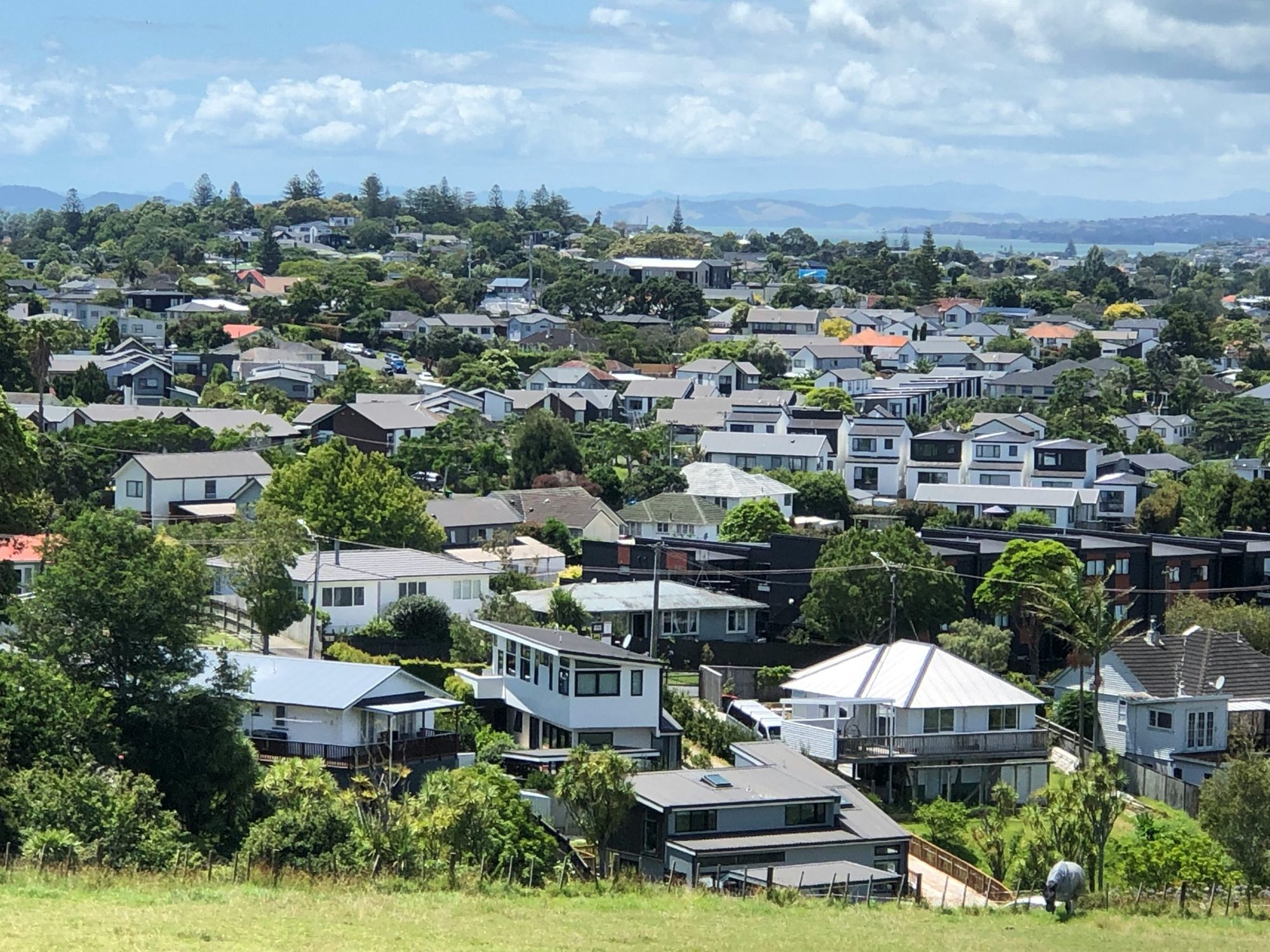
Cross-Lease Disputes
Shared land, separate homes and leases that tie the owners together. When co-owners disagree, their differences can quickly escalate into a dispute.
NZDRC resolves cross-lease disputes quickly, privately and without going to court. Our experienced mediators and arbitrators help owners resolve disagreements over alterations, consent, shared areas and maintenance, so everyone can get on with living next door.
What is a cross-lease?
A cross-lease is a form of property ownership common across New Zealand, particularly for homes built between the 1960s and 1990s. Each owner holds an undivided share of the whole piece of land with the other owners. Each owner then leases their own home from all the other owners, usually for a term of 999 years.
The lease, together with the flats plan registered on the title, sets out which building ('flat') each owner occupies, which areas are for each owner's exclusive use and which areas are shared, such as driveways, turnaround areas, paths and access ways.
Because every owner is both a landlord and a tenant of the others, key decisions about the property are shared. Most cross-lease instruments require the written consent of the other owners before an owner makes structural alterations, adds to a building, or builds something new on the land. Cross-leases often require disputes to be referred to arbitration (not the Court). This doesn't stop the owners from agreeing to mediate the dispute to seek an agreed outcome.
Common cross-lease disputes
Cross-lease disputes arise between neighbours who share land, and they can be stressful precisely because the parties live so close to one another. The issues we see most often include:
Alterations without consent
An owner extends a home, adds a deck or garage, or encloses a carport without the other owners' written consent.
Consent refused or delayed
One owner seeks consent and another owner refuses, imposes conditions or does not respond.
Defective titles
Buildings no longer match the flats plan, creating problems when an owner wants to sell, refinance or insure.
Updating the flats plan
Disagreement over whether to update the plan, who pays for surveying and legal costs, and what it should show.
Shared areas and access
Parking, blocked driveways, use of common areas, and fences or structures built in shared space.
Exclusive use boundaries
Disagreement over where one owner's exclusive use area ends and another's begins.
Maintenance and cost sharing
Repairs to shared driveways, drains, water and stormwater pipes, retaining walls and fences, and how costs are split.
Trees, views and light
Trees or structures that block light, views or access, or cause damage.
Nuisance and use of the property
Noise, short-term letting, business use or other activity that affects the other owners.
Converting to freehold
One owner wants to subdivide into freehold titles and the others disagree on the process or costs.
Not sure your issue fits? Our Registry team can talk through your situation and suggest a suitable process.
Talk to our RegistryHow NZDRC can help
Each process is designed to be fair, prompt and cost-effective. The right option depends on what the dispute is about, what your cross-lease says, and whether you want a decision made for you or would prefer to reach your own agreement.
Mediation
Many cross-lease owners will be neighbours for years after a dispute ends. Work through the issue with an independent, experienced mediator and agree an outcome that suits everyone.
- Hearing
- Private meeting with a mediator, usually a half day or a single day
- Timeframe
- Can be resolved within days or weeks
- Outcome
- Settlement agreement the parties sign
ECA45 Arbitration
Both parties agree to submit their arguments and evidence to an independent arbitrator, who decides based on the documents, without a hearing. Saves time and cost while giving both sides a fair opportunity to put their case forward.
- Hearing
- None (decided on the documents)
- Timeframe
- Award within 45 working days
- Outcome
- Final and binding award
ECA60 Arbitration
For parties who want to present their case in person. A similar process to ECA45, with a hearing and a fixed timeframe for the award.
- Hearing
- From a half day up to 3 days
- Timeframe
- Award within 60 working days
- Outcome
- Final and binding award
NZDRC Rules or ad hoc arbitration
For complex or higher-value disputes, arbitrate under the NZDRC Arbitration Rules or an ad hoc process under the Arbitration Act 1996. NZDRC can appoint a credible arbitrator either way.
- Hearing
- As agreed or directed
- Timeframe
- Set to suit the dispute
- Outcome
- Final and binding award
Expert determination
When the dispute turns on one technical question, such as a measurement, compliance with the flats plan or a fair share of repair costs, an independent expert decides it quickly and confidentially.
- Hearing
- Usually none
- Timeframe
- Set to suit the dispute
- Outcome
- Binding or non-binding, as agreed
How the process works
-
1
Get in touch
Contact our Registry team by phone or through the enquiry form. Tell us briefly what the dispute is about and who is involved.
-
2
Choose a process
We explain the options that suit your dispute, given what your cross-lease may require, and confirm the steps, timeframes and fees.
-
3
Appointment
NZDRC appoints an independent mediator, arbitrator or expert with relevant property experience.
-
4
Resolution
The process runs to an agreed or set timetable, ending in a settlement agreement, a binding award or an expert determination.
Why choose NZDRC
NZDRC offers fully administered dispute resolution. We operate as a private registry, giving parties and their representatives one point of reference, and we appoint experienced practitioners across a broad range of property and commercial disputes.
Experienced practitioners
Mediators, arbitrators and experts with deep experience in property disputes.
Fully administered
A dedicated registrar manages your case from start to finish.
Quality assured
Our review process maintains the quality of every outcome.
Private and confidential
Your dispute stays out of the public courts.
Fast and cost-effective
Fixed timeframes and processes proportionate to the dispute. No Court delays.
Questions from cross-lease owners
Can’t find your answer? Our Registry team is happy to help.
Can my neighbour stop me from renovating my cross-lease home?
My neighbour has built an extension without consent. What can I do?
Start by checking your cross-lease and raising the issue directly. If that does not resolve it, mediation can help you agree on a way forward, such as consent on conditions or an updated flats plan. Where the lease requires arbitration, an arbitrator can make a binding decision.
Do we have to go to court?
How do I know which process is right for me?
It depends on your cross-lease, what the dispute is about, and whether you want to agree on an outcome or have one decided for you. Our Registry team can talk you through the options.
Is an arbitration award binding?
Yes. Arbitration awards are final and binding under the Arbitration Act 1996 and can be enforced by the courts. They can only be challenged in very limited circumstances. Settlement agreements reached at mediation are enforceable as binding contracts.
How long does it take?
Mediation is a process not an event. The process can run for days or weeks. But the mediation meeting itself usually runs for a half-day or often runs a single day. For arbitration under the ECA45 Arbitration Rules, an award is published within 45 working days. Under the ECA60 Arbitration Rules, which include a hearing of up to three days, an award is published within 60 working days.
How much does it cost, and who pays?
Costs depend on the process and the complexity of the dispute. Our Registry team will confirm fees before you start. In arbitration, the arbitrator can decide how the costs are split between the parties.
Is the process confidential?
Yes. Mediations and arbitrations are held in private, and NZDRC maintains confidentiality through a combination of statutory provisions, contractual obligations and its institutional rules.
Can NZDRC help us convert our cross-lease to freehold?
Converting to freehold is a legal and surveying process, so you will need a lawyer and a surveyor. If the owners cannot agree on whether or how to convert, or how to share the costs, NZDRC can help you resolve that disagreement.
Resolve your cross-lease dispute and move forward
Don't let a disagreement with your neighbour drag on. Talk to NZDRC today about a fast, private and cost-effective way to resolve your cross-lease dispute.
Contact usGet in touch
Contact our team today to see how we can help